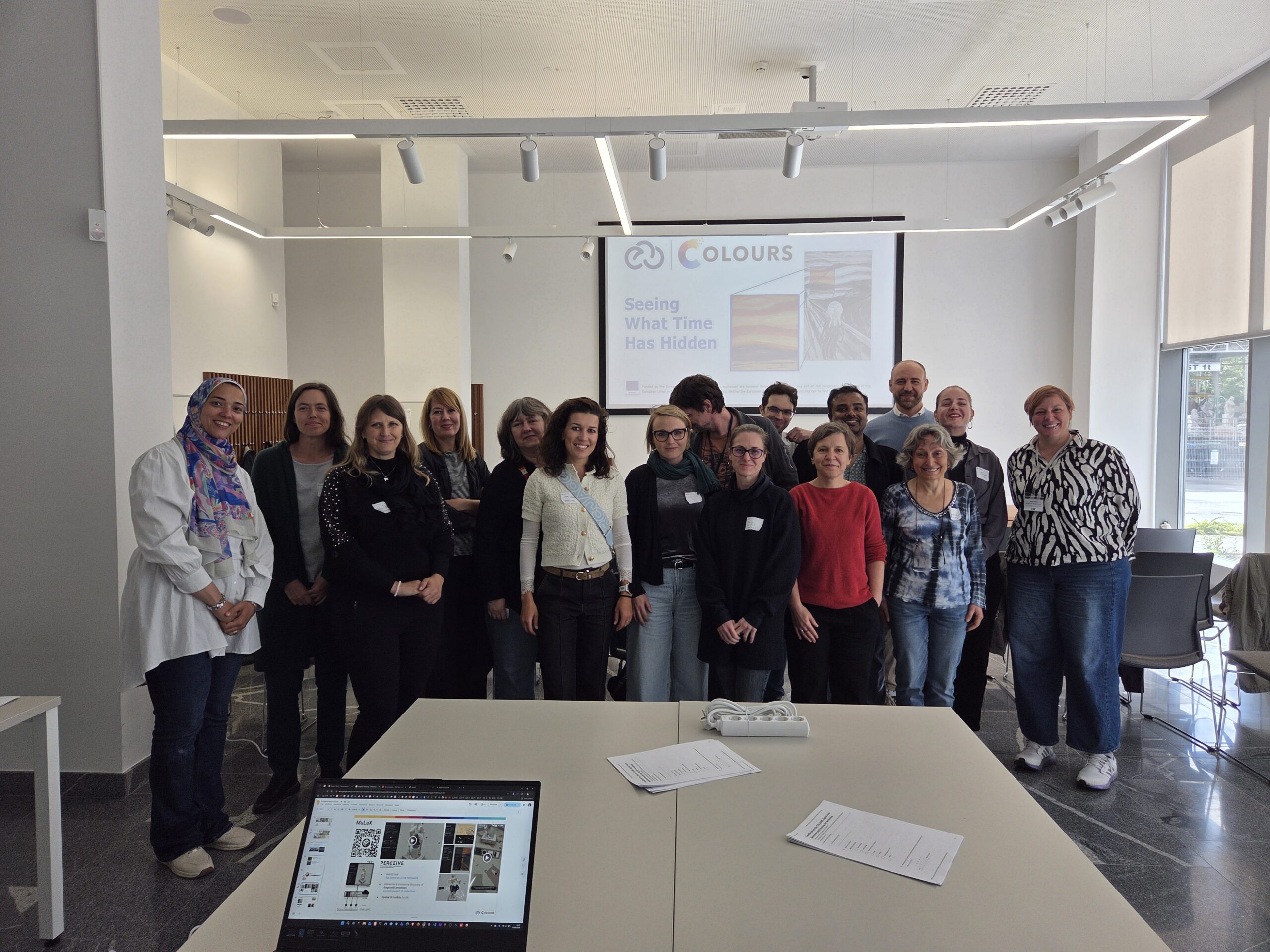
On 12 May 2026, the COLOURS project held a hands-on workshop in Ljubljana, Slovenia, bringing together conservation-restoration professionals, researchers, and heritage institutions to explore how digital technologies can reshape the way we care for cultural heritage.
Hosted at the Archives of the Republic of Slovenia, the event — titled “Shaping the Future of Digital Practices in Conservation-Restoration through Access to the Cultural Heritage Cloud” — was one of the most direct engagements the project has had with the professional community it aims to serve.
COLOURS will make its tools available on the Cultural Heritage Cloud, being developed by ECHOES.
A conversation, not a lecture
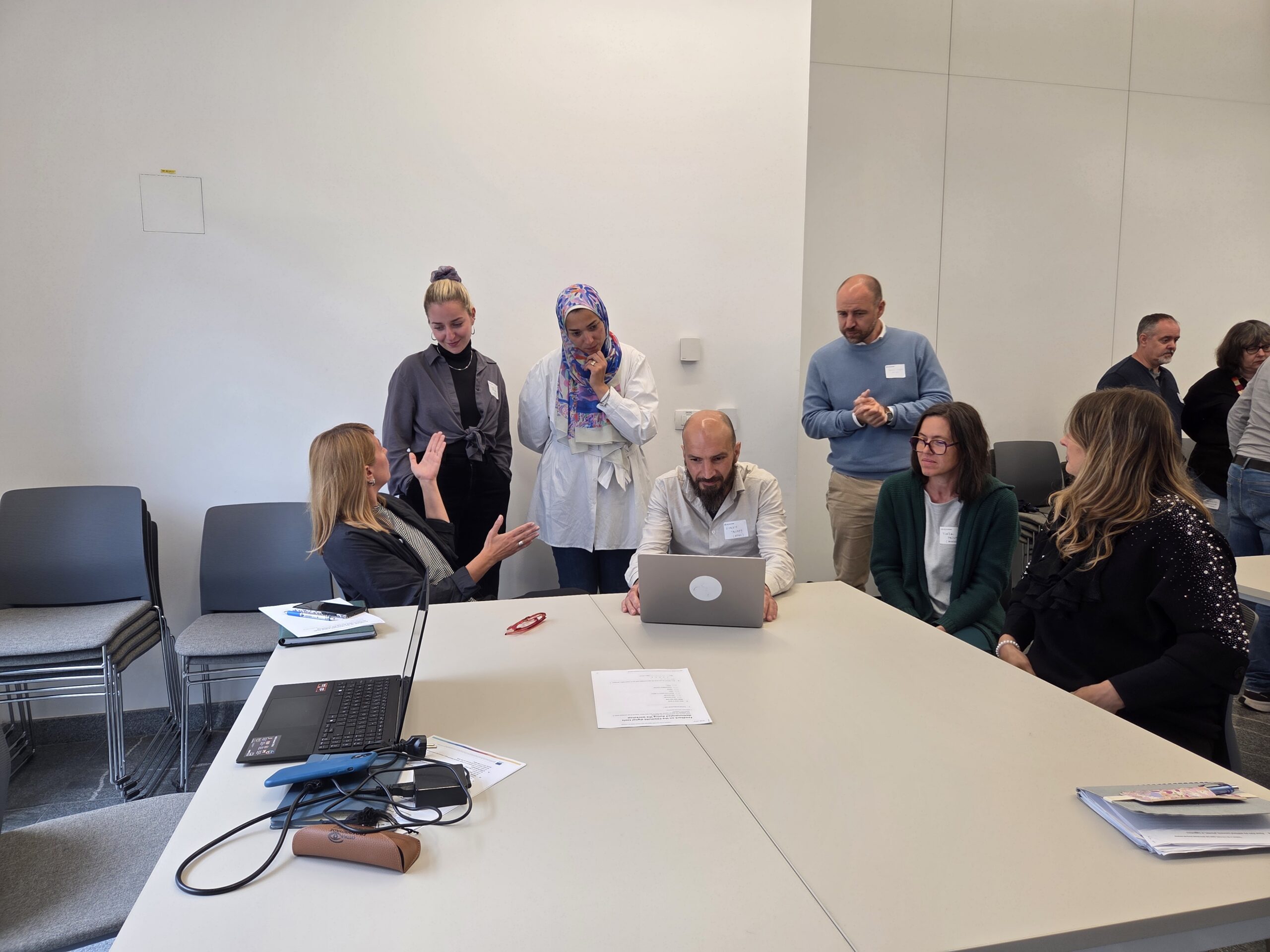
The workshop was deliberately structured as a two-way exchange. Conservators-restorers from Slovenia and beyond were not just presented with tools — they were asked to test them, challenge them, and say what they actually need. Feedback sessions, a participant survey, and open group discussions made it clear: COLOURS is building with the community, not just for it.
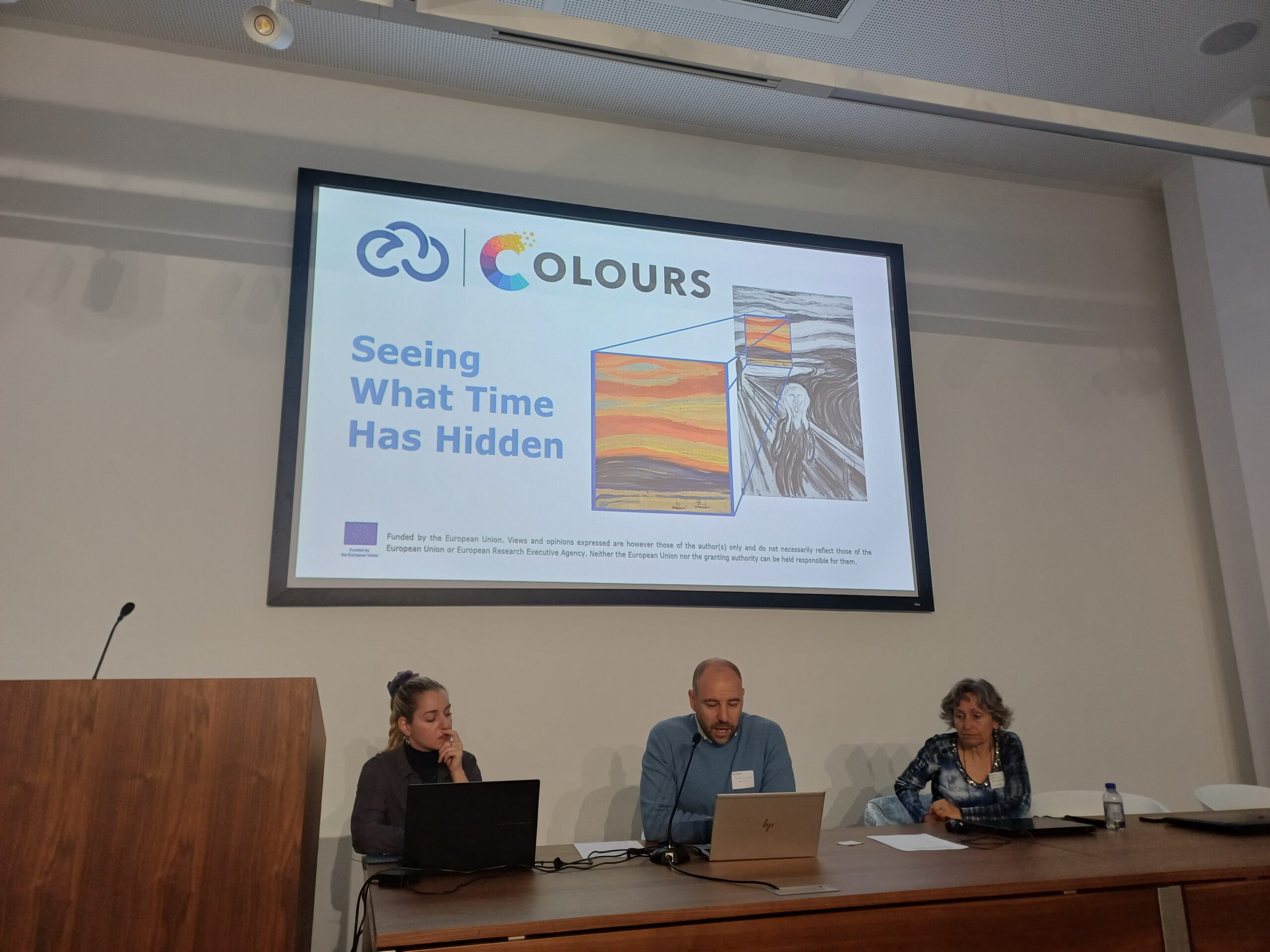
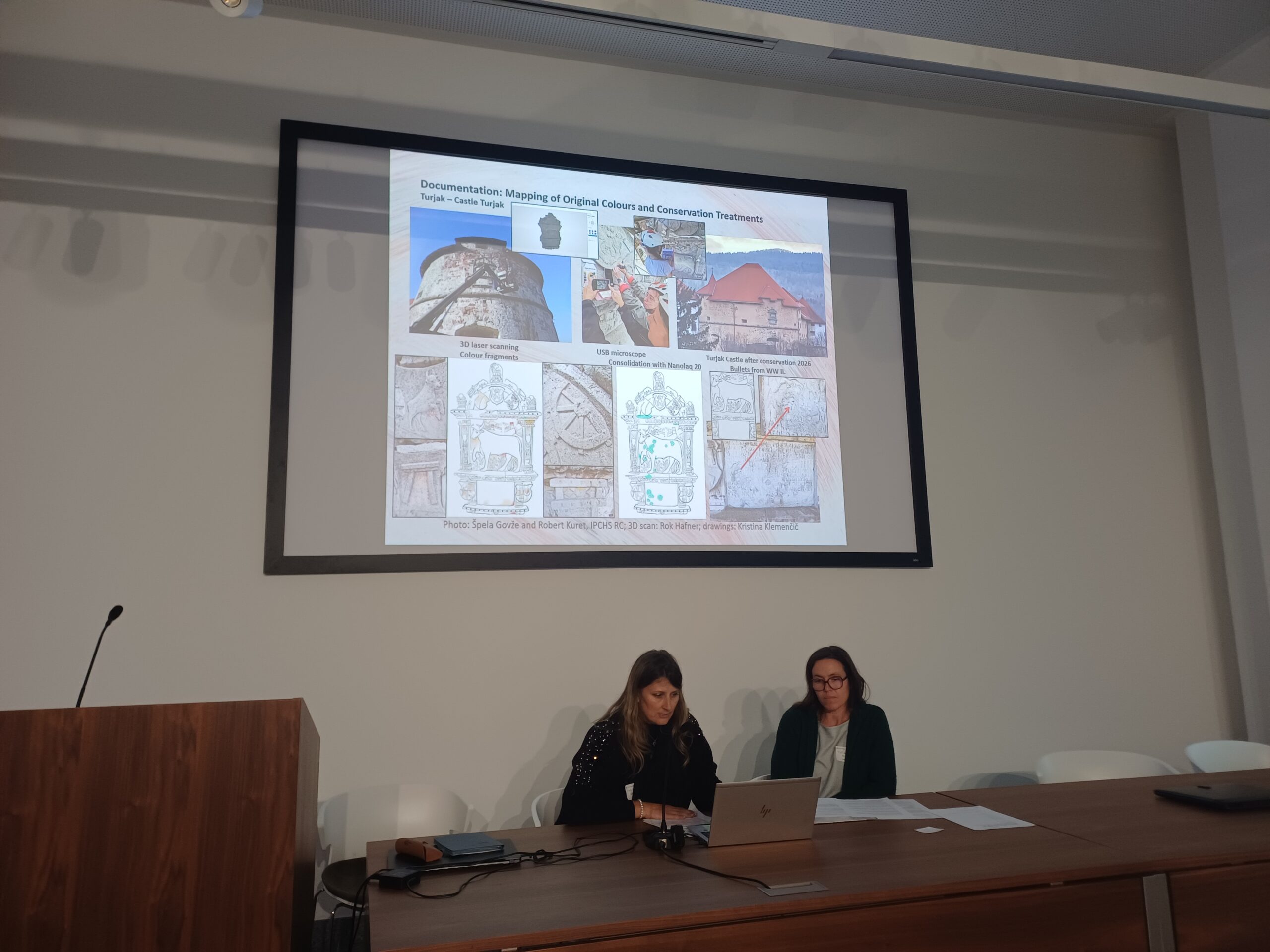
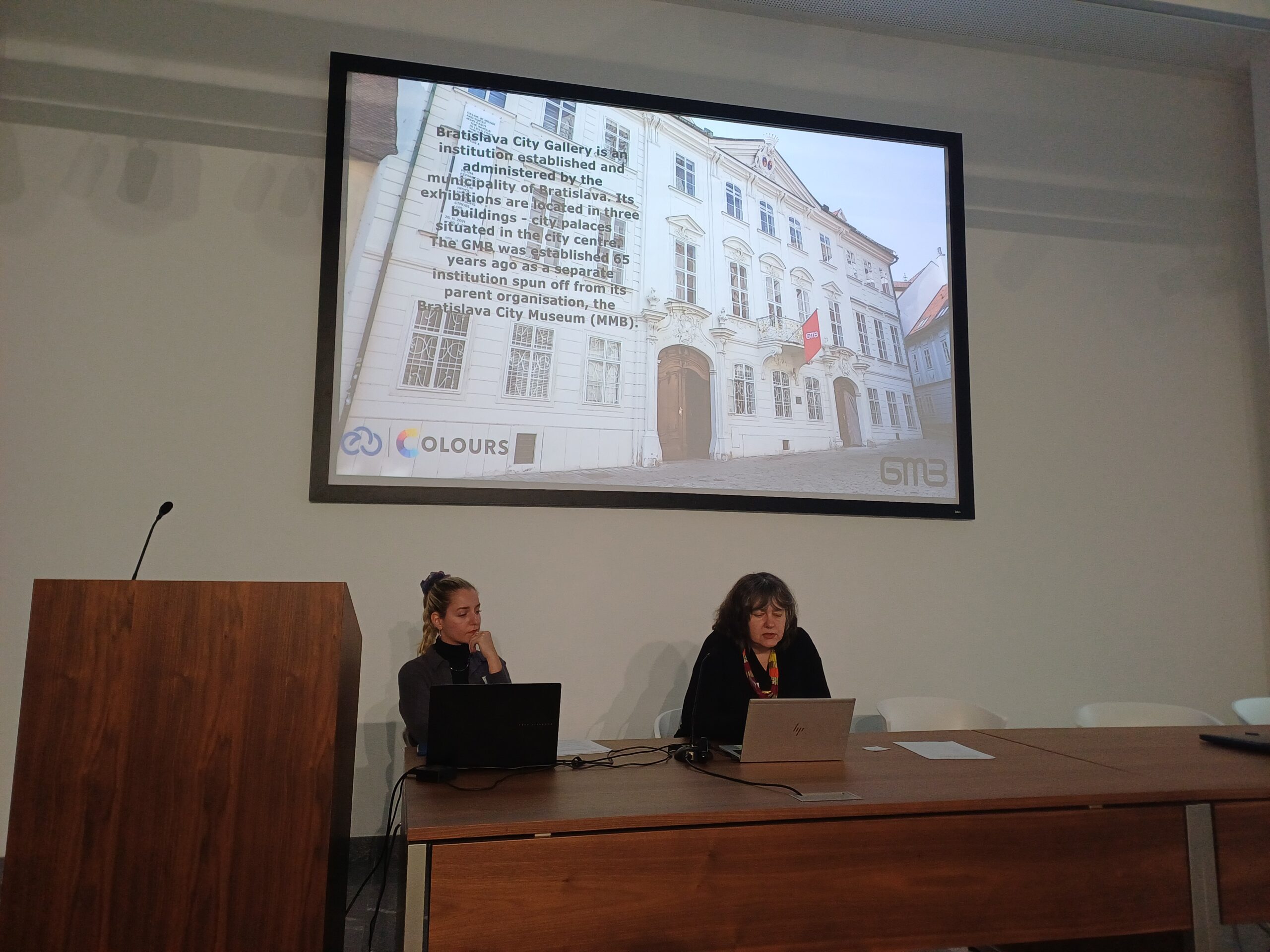
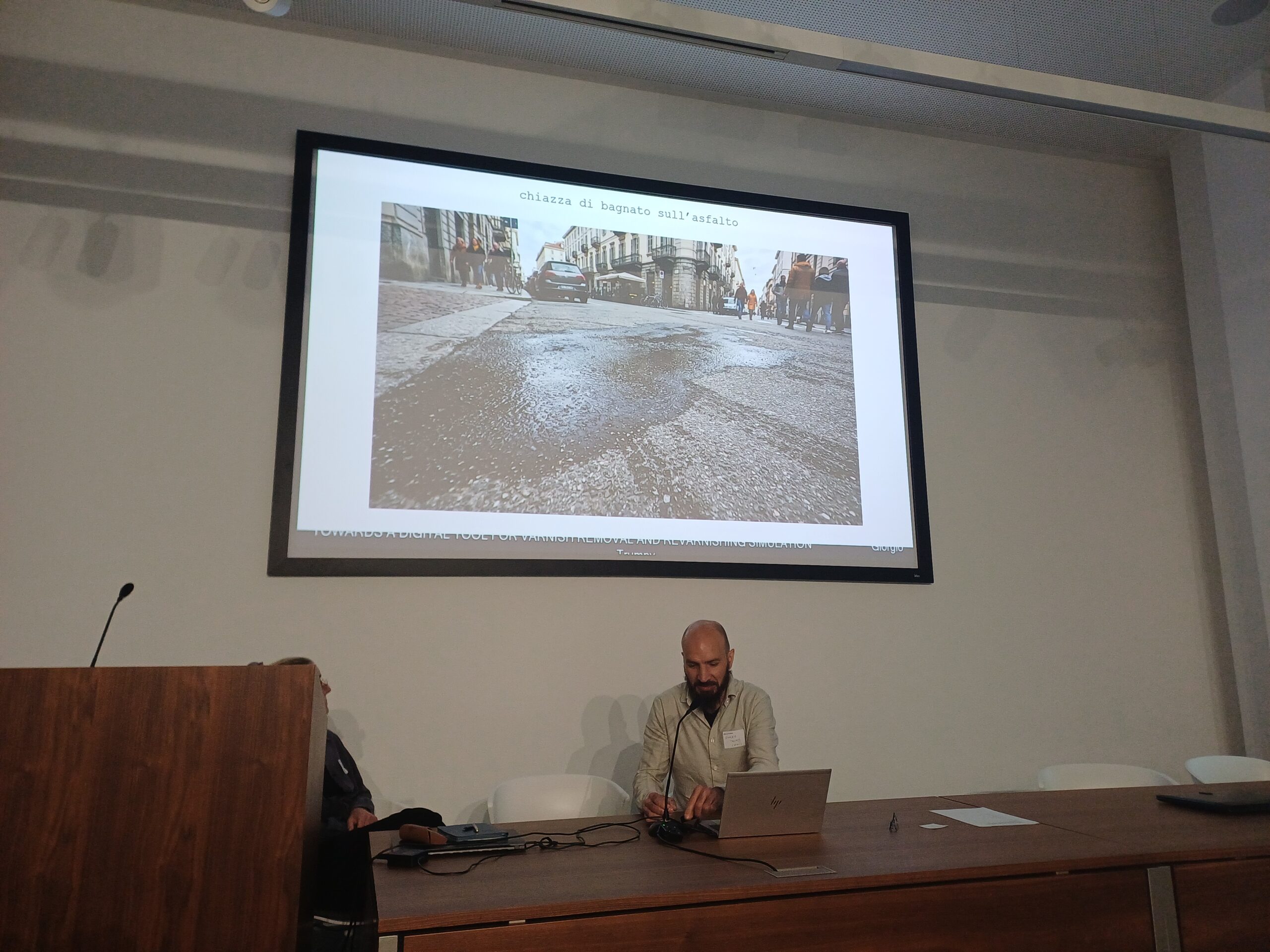
The workshop opened with a welcome address by Polonca Ropret (ZVKDS) and Ioanna Stefanopoulou (FORTH), followed by a general introduction to COLOURS and the Cultural Heritage Cloud by Daniele Ferdani (CNR ISPC), COLOURS Coordinator. Sophia Sotiropoulou (FORTH) then mapped the needs and expectations of the conservators-restorers community and their active involvement in the project. Digital practices in real conservation workflows were presented from two institutional perspectives: Barbara Davidson (GMB – Bratislava City Gallery) and Špela Govže and Tjaša Pristov (ZVKDS – Institute for the Protection of Cultural Heritage of Slovenia). Giorgio Trumpy (NTNU) closed the morning session with a presentation on digital approaches to varnish removal and revarnishing simulation.
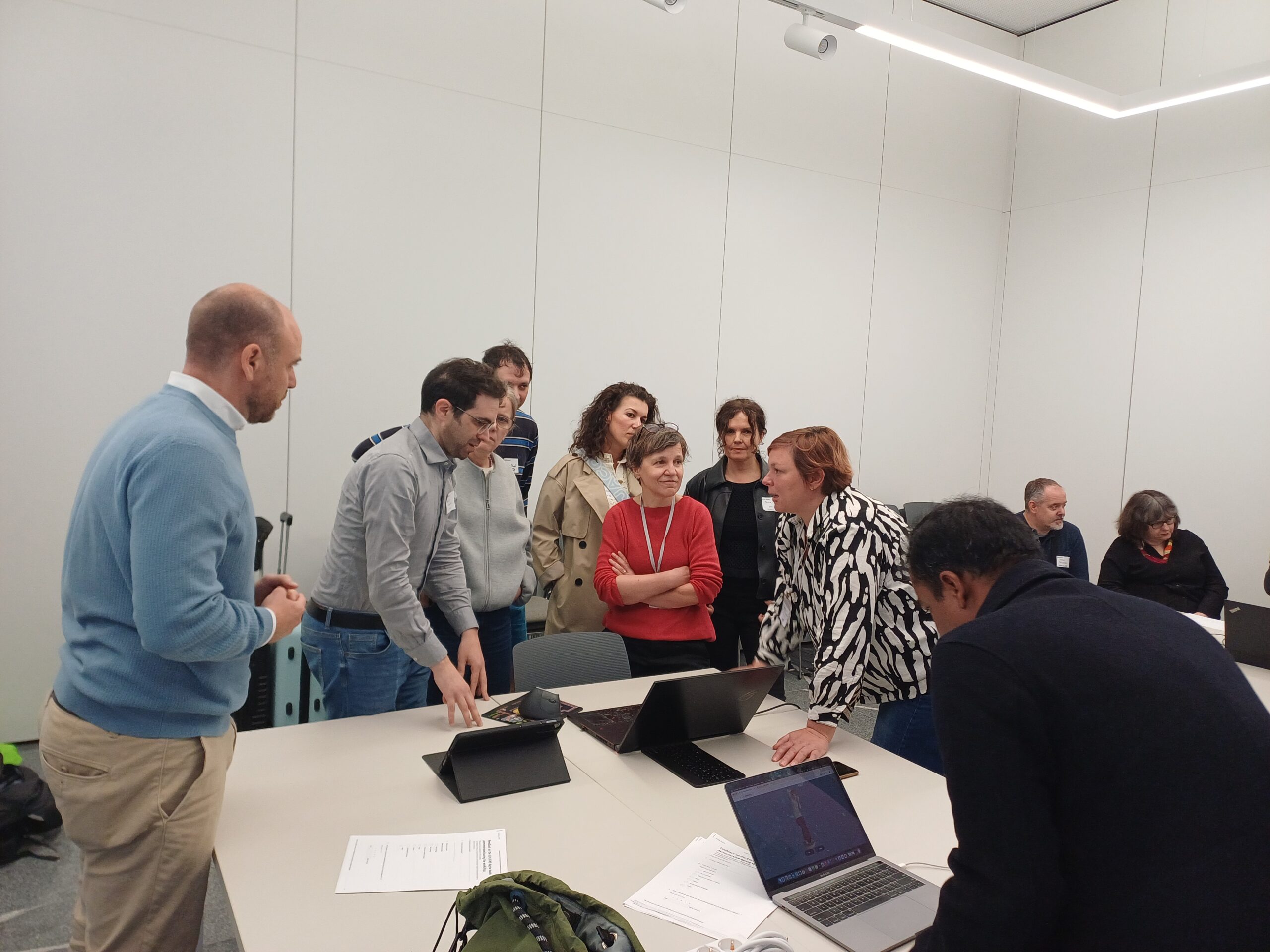
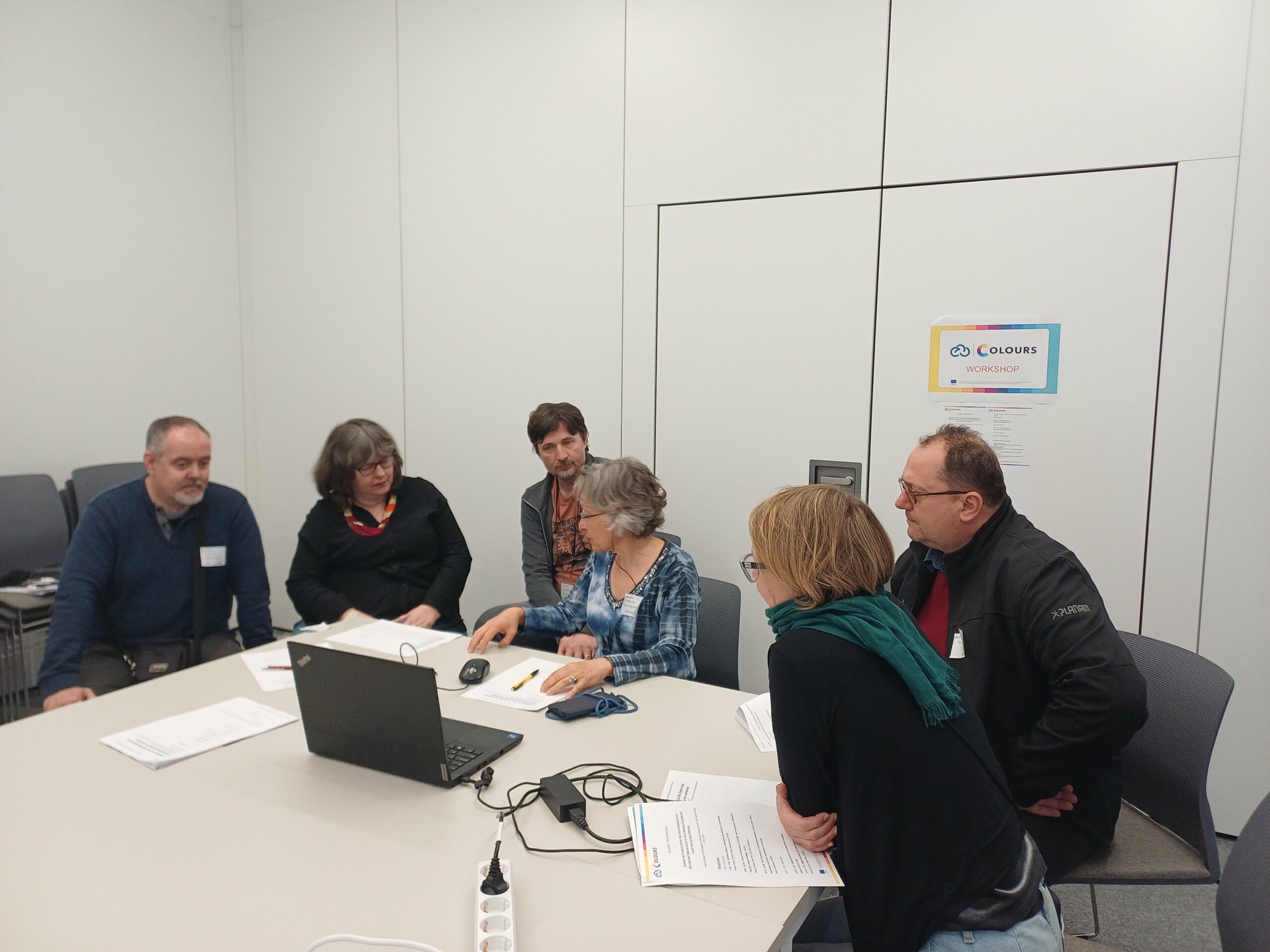
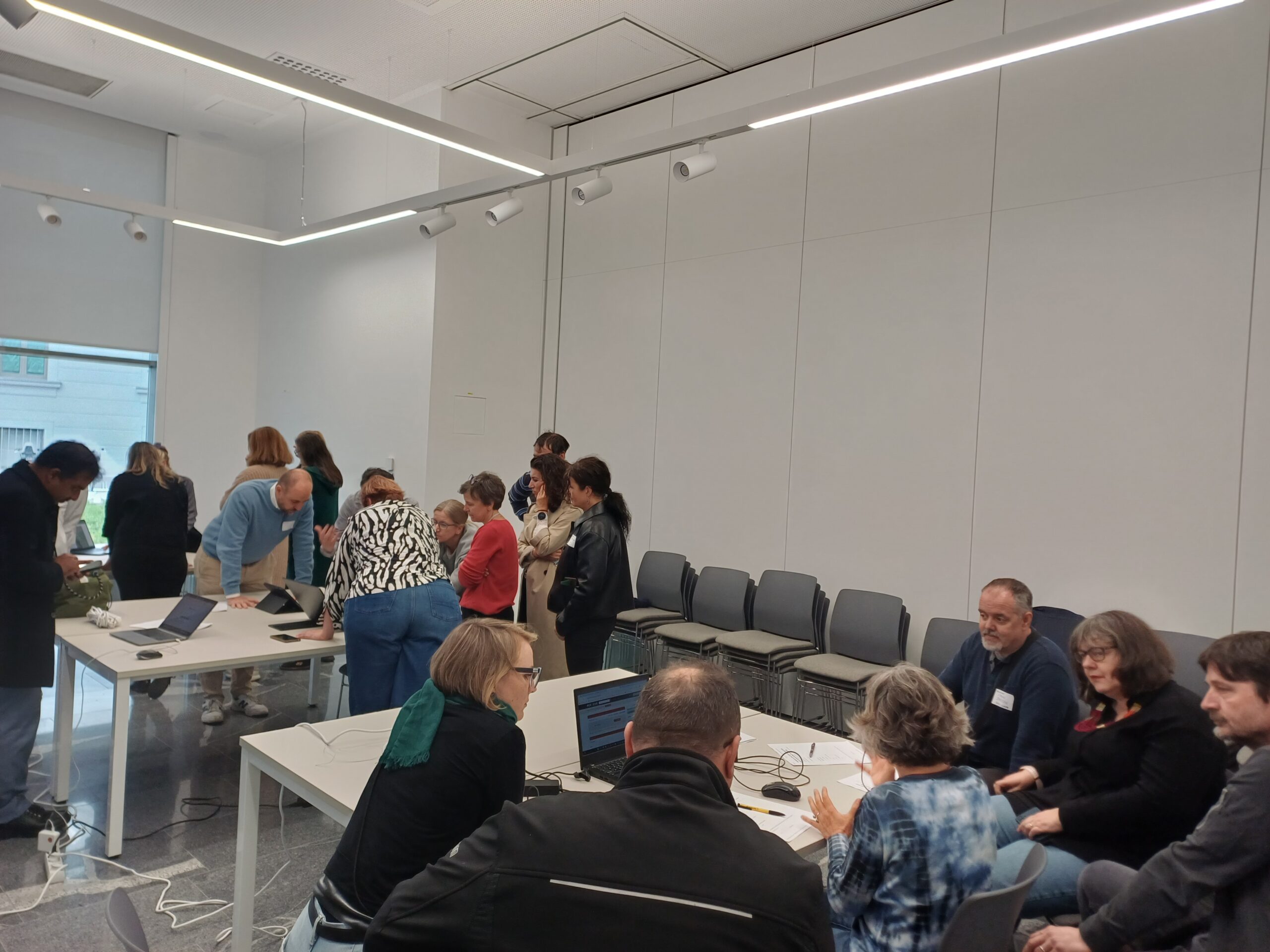
The tools on the table
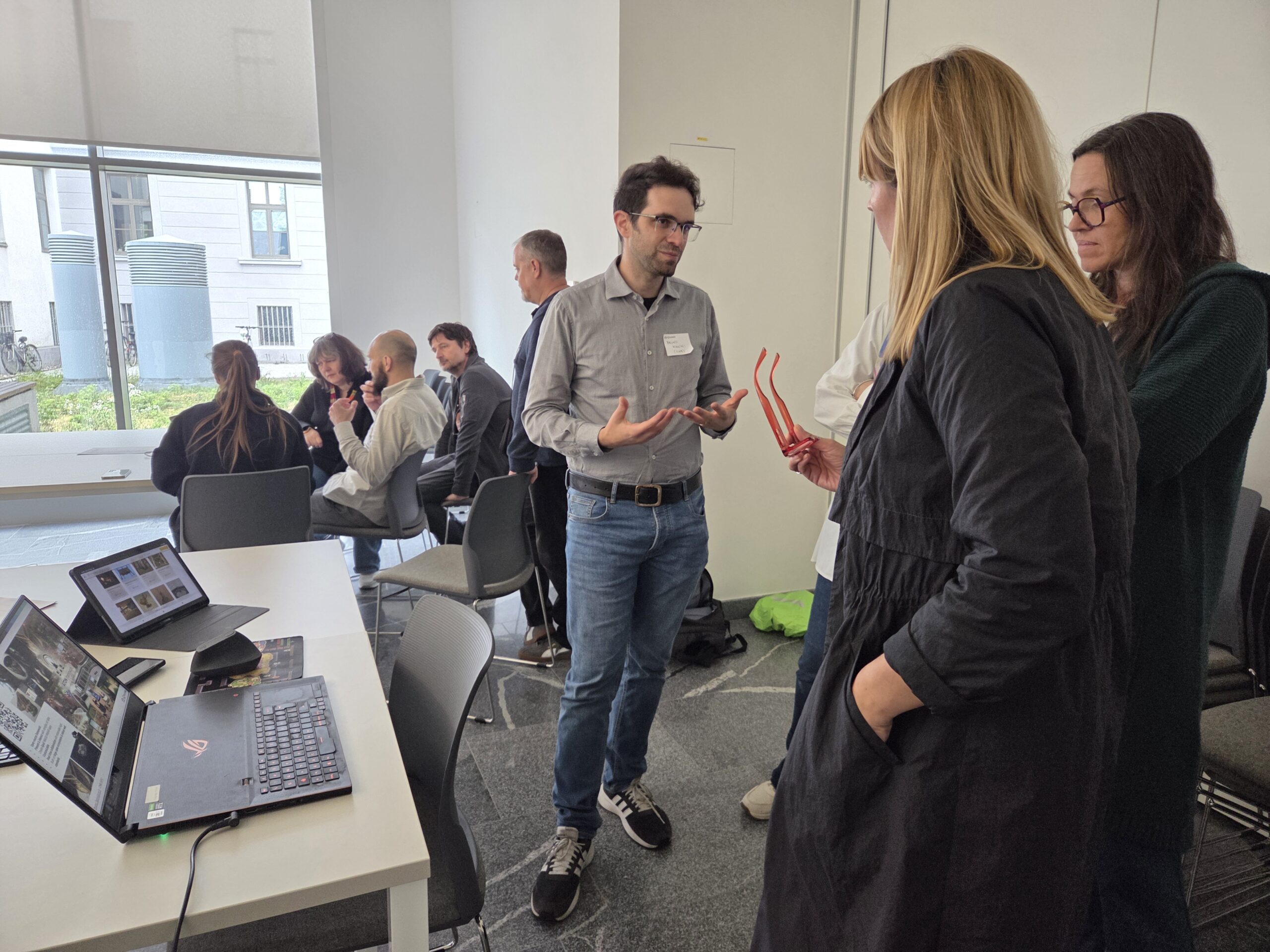
Seven tools were put directly in participants’ hands across two group working sessions, covering the full spectrum of COLOURS’ development:
Light Damage Estimator (LDE) — presented by Ioanna Stefanopoulou (FORTH), it estimates, predicts and simulates how the colours of a painting change over time due to light exposure.
Digital varnish removal and doLCE 2.0 — both presented by Giorgio Trumpy (NTNU) — address the algorithmic removal of aged varnish from paintings and the recovery of colour information embedded in kodacolor films respectively.
MuLaX and the ATON framework — presented by Bruno Fanini (CNR ISPC) — allow conservators to access, discover and examine diagnostic data on 2D and 3D multi-layered collections, and to interact with heritage objects through Web3D and WebXR applications.
StyleShade 3D, presented by Saptarshi Neil Sinha (FhG), enhances and stylises 3D models using deep learning techniques.
Finally, the Colour Knowledge Repository (CKR), presented by Sophia Sotiropoulou (FORTH), is an open data management system designed to collect, structure and share colour-related resources in cultural heritage artworks.
Participants were asked not just whether these tools work, but whether they fit real workflows — whether the input data is available in practice, whether outputs are meaningful, and what would need to change to make them genuinely useful on the job.
Part of the Cultural Heritage Cloud
COLOURS is part of the Cultural Heritage Cloud, being developed by ECHOES — an open-access, open-science ecosystem designed to give heritage professionals shared access to data, tools, and knowledge. The session with Bratislava City Gallery (GMB) illustrated how this ecosystem is already reaching diverse institutional contexts across Europe.
The workshop also surfaced an honest picture of the challenges that still exist: high costs of digital tools, lack of training, software complexity, interoperability gaps, and the very practical difficulties of fieldwork conditions. These are not obstacles COLOURS ignores — they are the problems it is trying to solve.
What comes next
The conversation in Ljubljana will feed directly into the project’s development roadmap. The message from participants was consistent: digital tools should support professional expertise, not replace it. They need to be accessible, affordable, easy to use, and reliable under real studio and field conditions.
COLOURS is listening.
COLOURS is funded by the European Union. Views and opinions expressed are those of the author(s) only and do not necessarily reflect those of the European Union or the European Research Executive Agency. This project is part of the Cultural Heritage Cloud initiative, coordinated by ECHOES.